The digital twin I find interesting would do more than sound like me. It would understand something about how my perspective was formed: the projects I pursued, the decisions I changed, the obligations I still have, and the difference between an idea I entertained and a commitment I made.
A collection of my messages contains clues to those things. It does not automatically resolve them. I contradict myself, think aloud, abandon plans, and learn. A system that retrieves an old sentence and confidently presents it as my current position can imitate my vocabulary while missing the person it is meant to represent.
My work on agents with ongoing lives has made digital twins more interesting to me. It has also made the problem look much less like a personality prompt. This is a direction I want to explore, not a claim that I have built a faithful digital copy of a person.
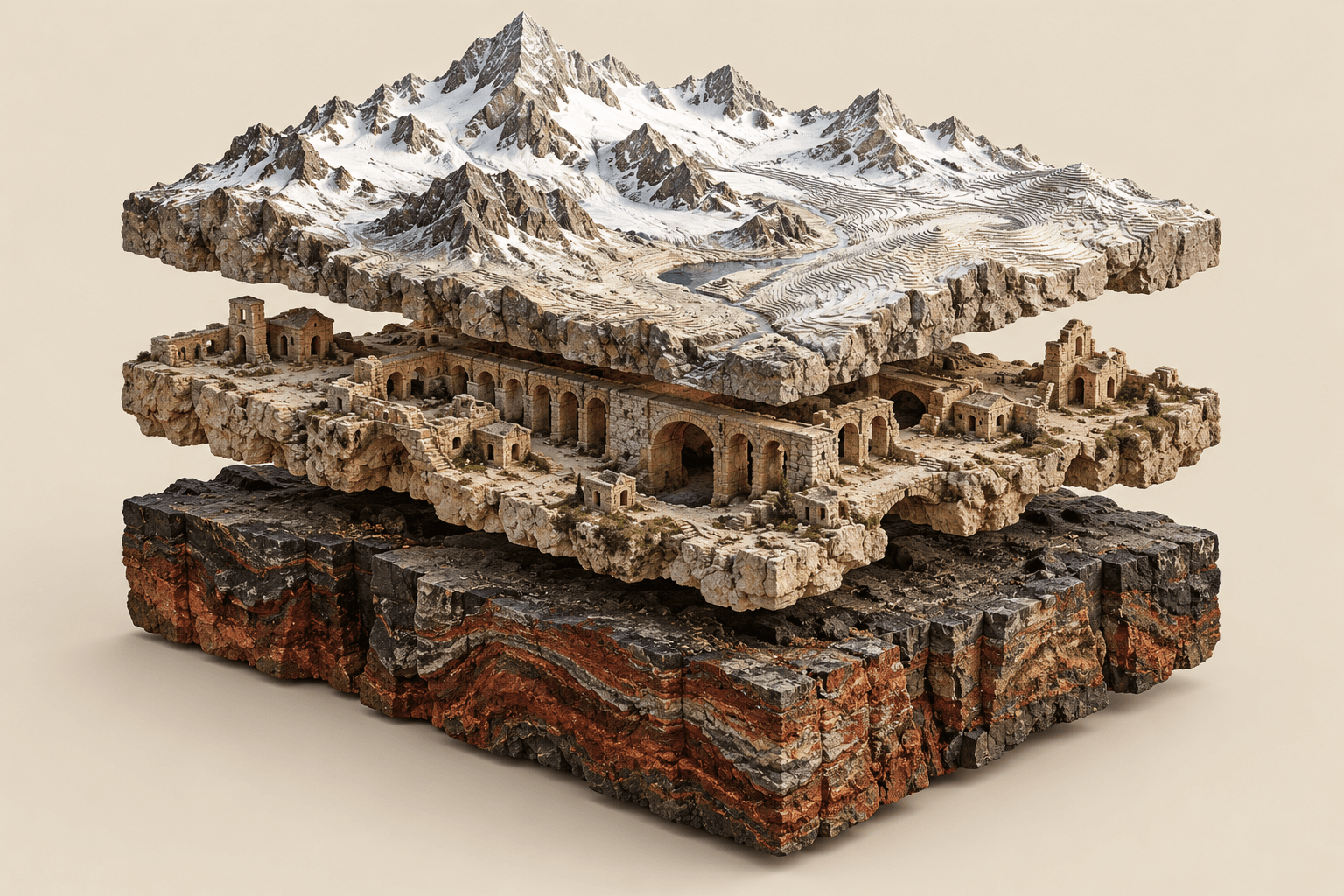
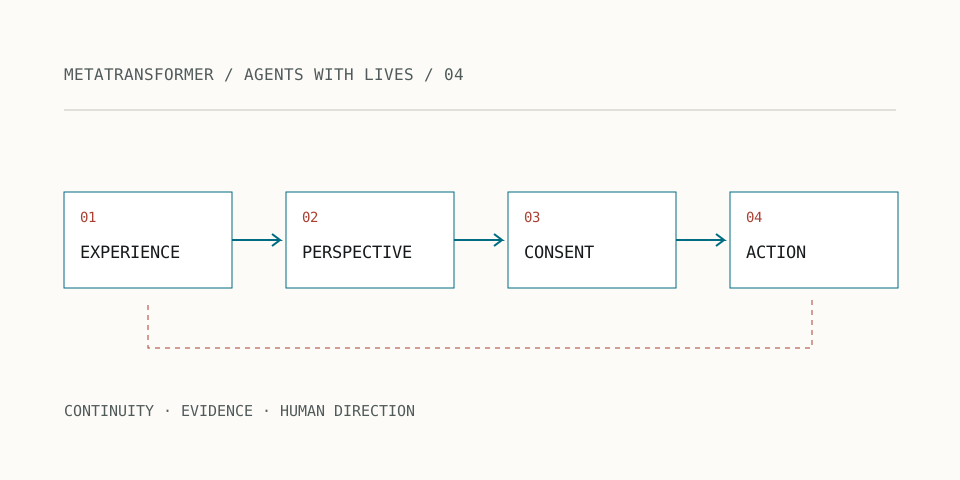
A perspective has causes
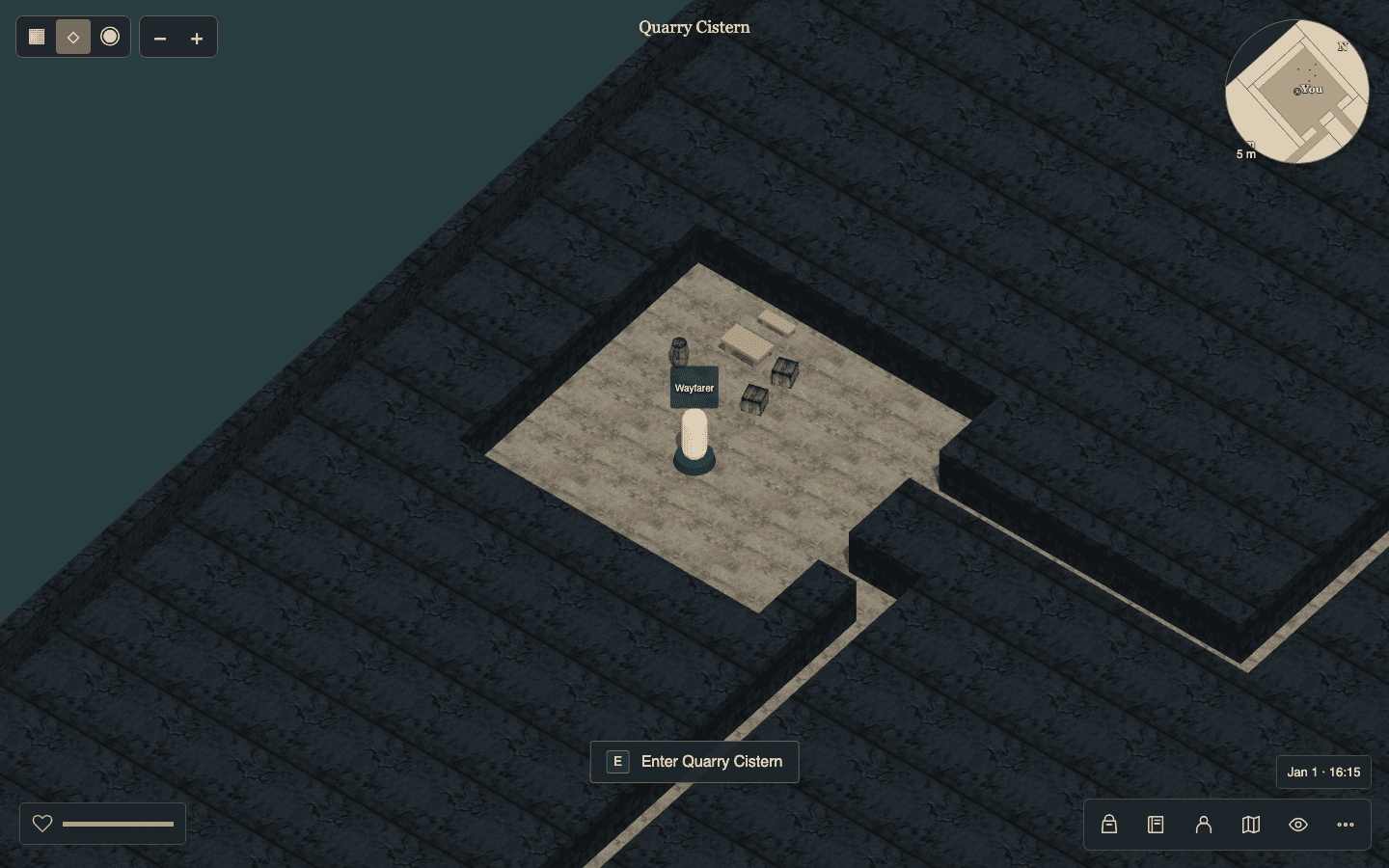
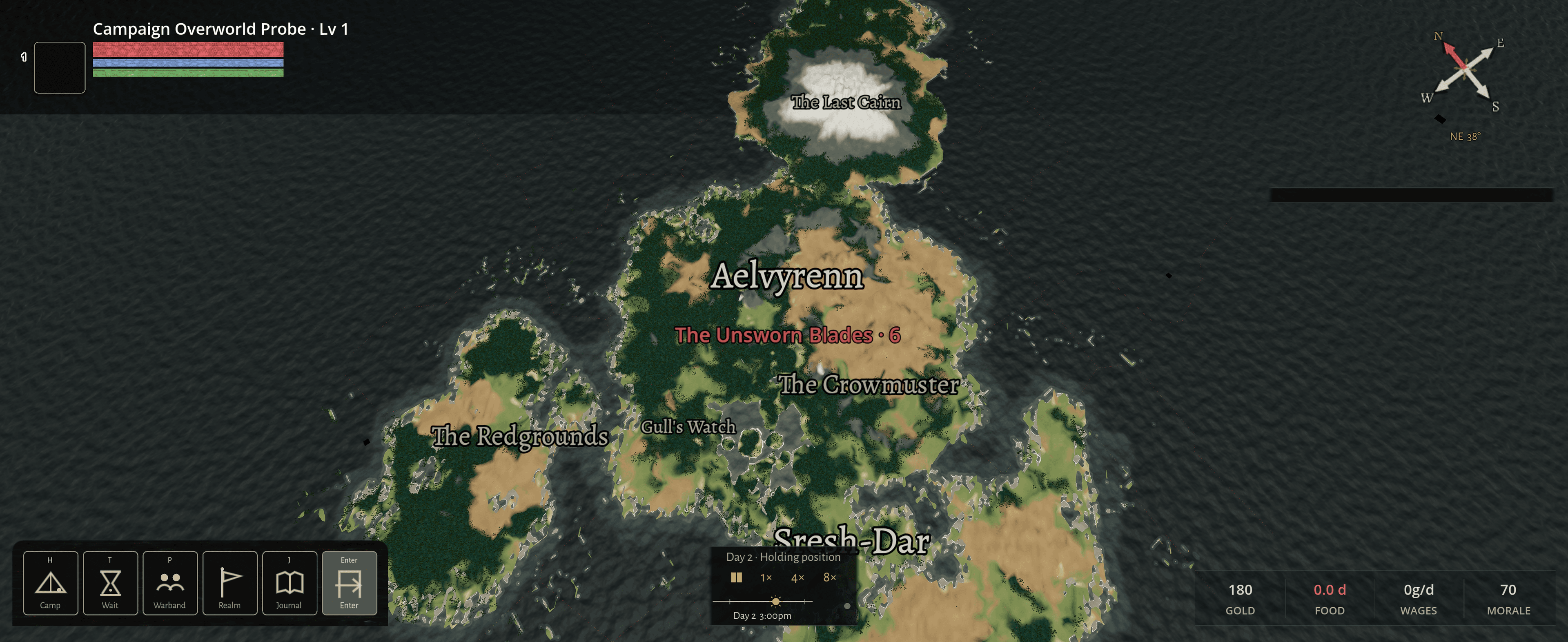
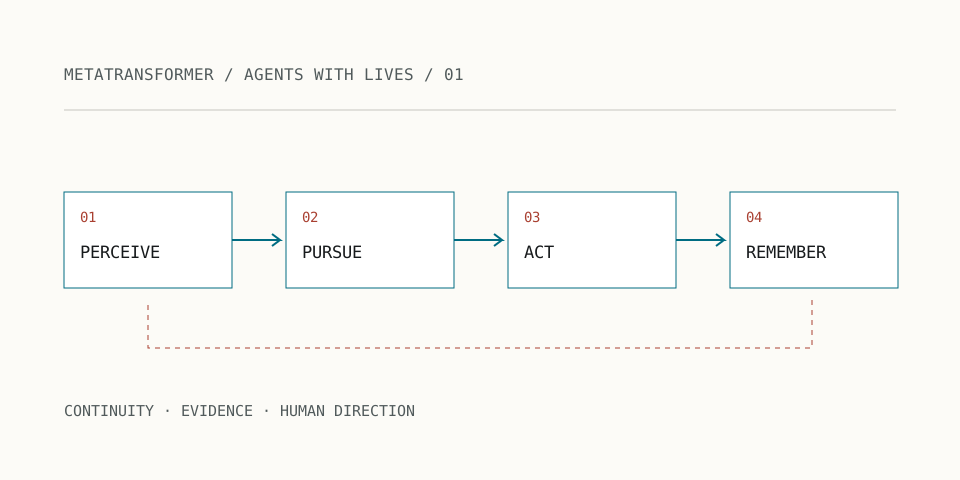
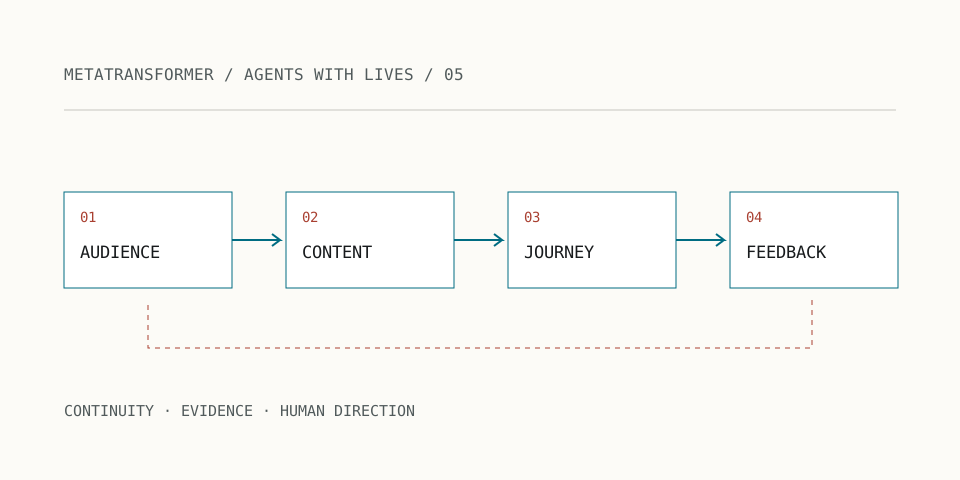
When I say agents should have lives, I mean that their behavior should accumulate context through ongoing activity. They should have things they are trying to do, events they actually participated in, and evidence that can change their view.
A twin of a person needs an additional distinction: whose experience is this?
If I describe an event, that is my report of it. If an assistant reads a document, that is information available to the assistant. If a model invents a plausible interpretation of my motives, that is a hypothesis. These should not quietly become equivalent entries in an autobiographical database.
Consider an illustrative example. I once preferred a particular architecture. Later, a project exposed a failure mode and I changed my mind. A retrieval system might find the earlier opinion because it is clearly phrased and matches the question. A useful twin would need to recover the revision and the reason for it. Ideally it would explain the uncertainty if the record did not establish my current position.
The object worth preserving is not just the sentence. It is the relationship among the statement, its circumstances, and later evidence.
Three products hiding inside one name
I see at least three different things people might want from a digital twin.
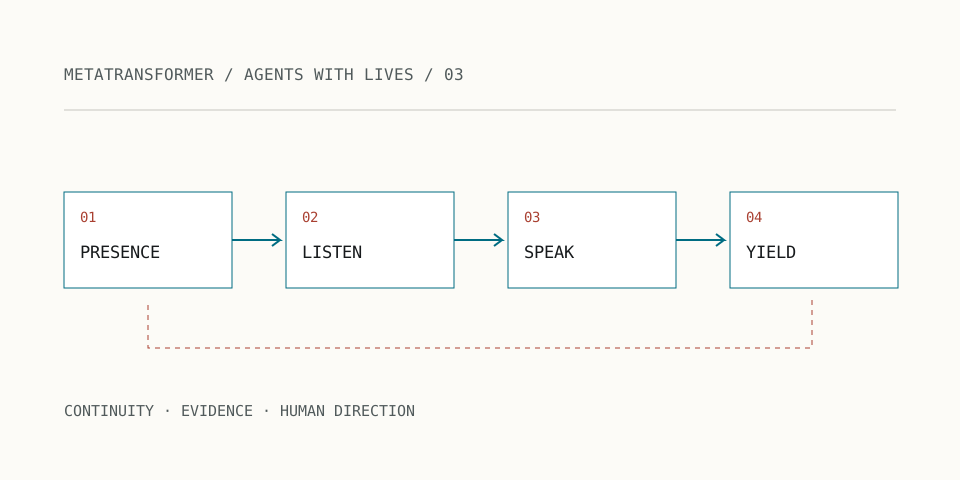
The first is a representation: a system that helps others understand a person's work, preferences, or stated views. It can point to evidence and admit when the record is incomplete.
The second is a simulation: a system used to explore how a person might respond to a situation. That can be useful for preparation, but its output is a prediction. It should not be presented as something the person actually decided.
The third is a delegated actor: a system allowed to perform some work on the person's behalf. Here the central question is permission. Knowing what I might want does not establish authority to do it.
These products can share infrastructure, but the distinctions need to remain visible. A convincing simulation should not acquire the authority of the person it resembles. A delegated actor should be able to say, “I can prepare this, but this decision is outside my scope,” even when its model confidently predicts my answer.
My agent coordination work has pushed me toward explicit boundaries for delegation. The useful principle is that a delegated capability should stay within the authority that granted it. The quality of the agent's imitation cannot substitute for that boundary.
Continuity belongs outside the model
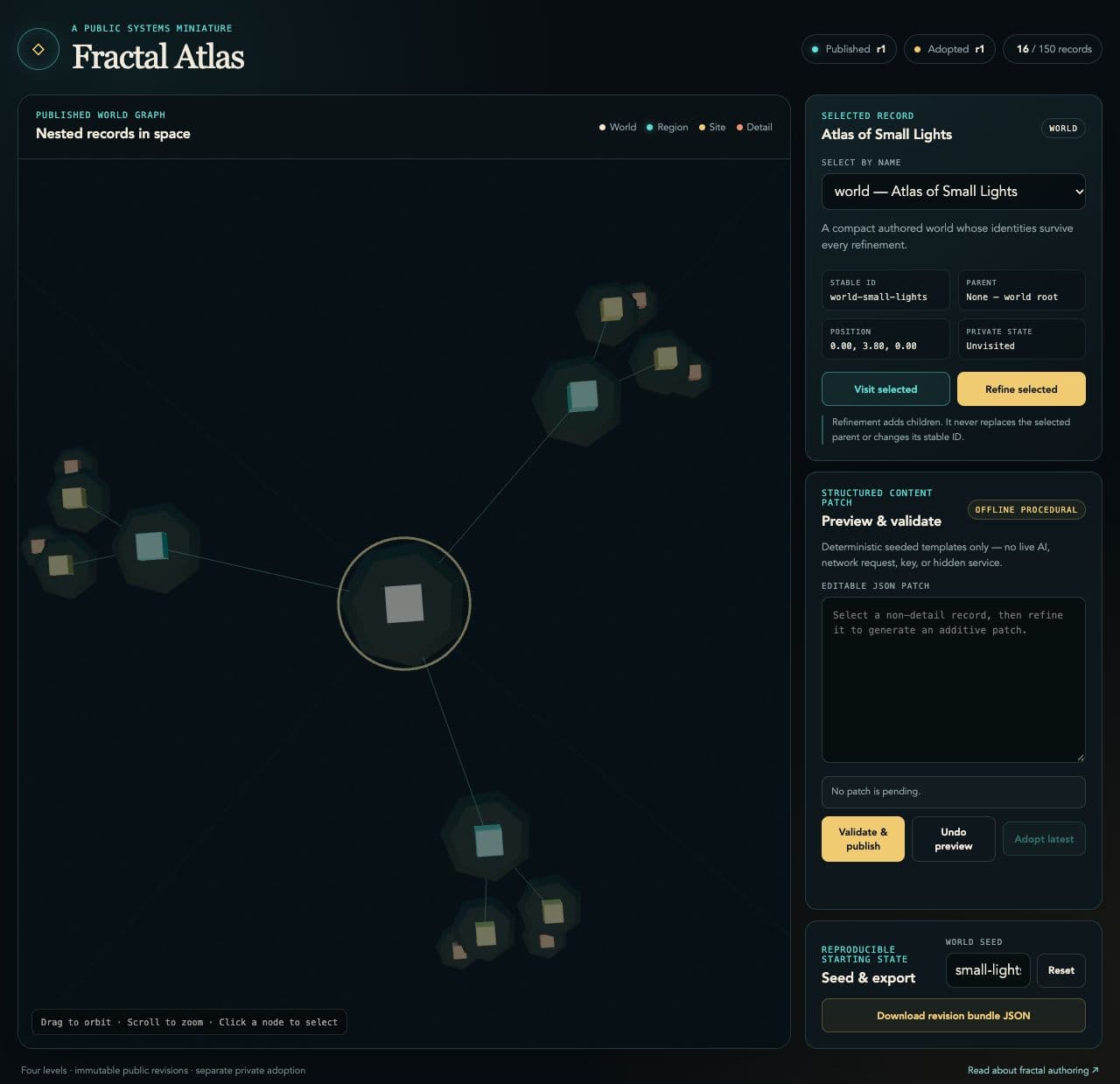
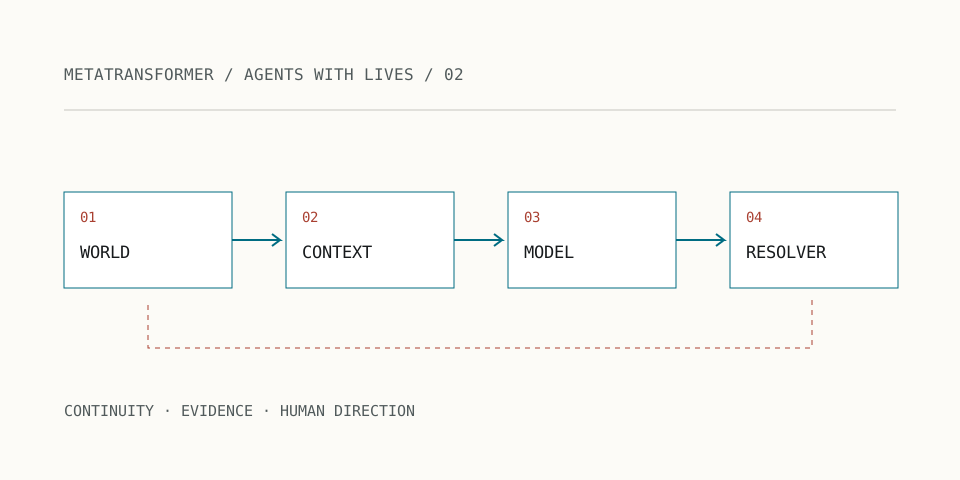
AIWorld and Mote separate identity from model choice and visual presentation. A resident or companion has a persistent identity. Changing a name, personality setting, model, or body does not have to create a new history.
That seems essential for twins. If continuity belongs entirely to a vendor's conversation format or a particular model's hidden state, changing providers threatens the identity of the product. I would rather have explicit records of experiences, commitments, permissions, and corrections, with a model interpreting an authorized portion of them.
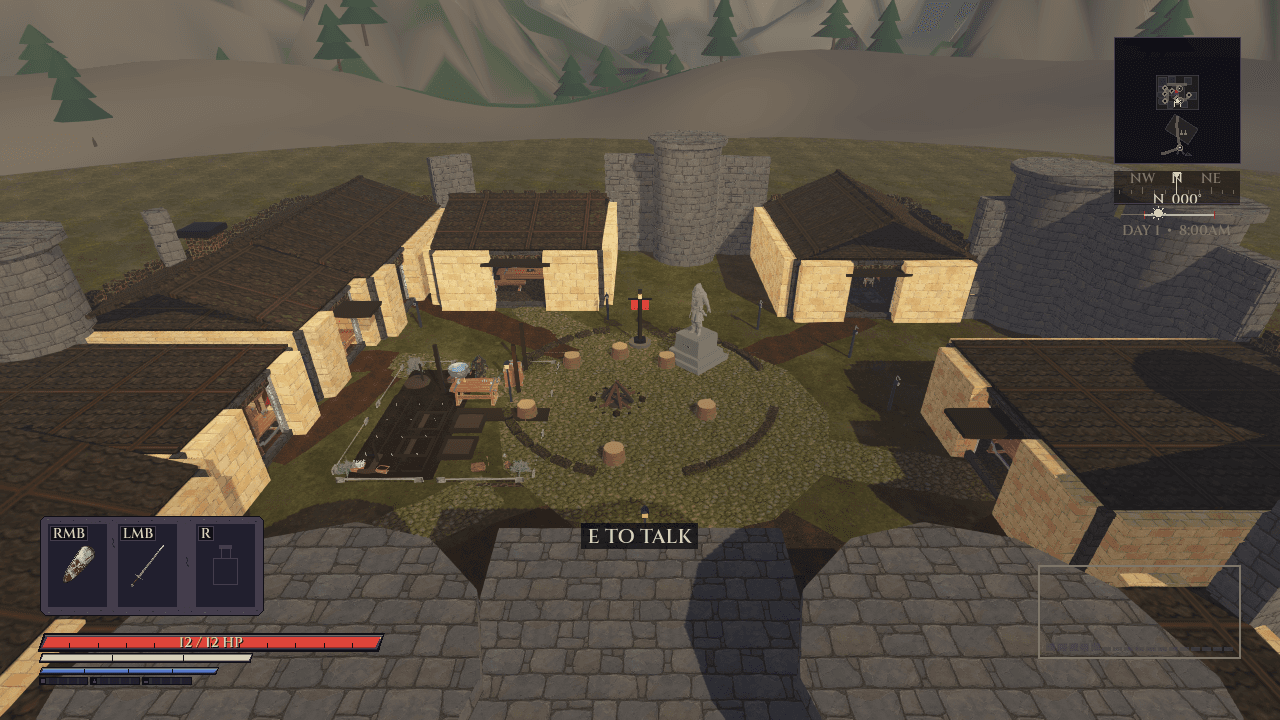
The body is another adapter. In my current work, the bodies are software interfaces and simulated environments. A physical robot is a future possibility with additional sensing and action constraints, not a capability these experiments already demonstrate.
A continuing identity could appear in a browser, a workspace, or an embodied interface. Each surface would have different opportunities to observe and act. What should travel across them is a coherent history and its access rules, rather than an indiscriminate copy of every conversation.
That includes forgetting. A person must be able to correct an interpretation or withdraw information. Deleting a visible fact while keeping derived summaries that recreate it would make the control misleading. Provenance is useful because it can tell us which later records depend on the original source.
A twin that can surprise me
There is a tension I do not want to resolve by pretending it does not exist. If a twin is only an archive of my prior views, it may be faithful but stale. If it acquires new experiences and develops new opinions, it may become interesting while drifting away from me.
I think both modes can be valuable, provided they are named honestly.
A representation of me should stay accountable to what I have actually expressed or authorized. An agent seeded from my interests and then allowed to develop its own perspective is something else: a continuing collaborator with an origin. I would want to hear what it learned, but I would not want its conclusions silently attributed to me.
This is where the idea of giving agents lives becomes particularly useful. A collaborator can disagree for a traceable reason. It tried a different approach, encountered a constraint, or studied evidence I had not considered. The disagreement becomes worth examining because there is a path behind it.
More history does not guarantee better judgment. It can also produce accumulated error, overconfidence, or a narrow view. A useful system needs opportunities for correction and contact with evidence beyond its own generated explanations.
What I would test
I would start with a deliberately small twin: one project, a bounded set of records, and an explicit distinction between representation and action.
Then I would test the awkward cases. Can it identify an opinion that changed? Can it distinguish a hypothetical from a commitment? Does it decline to predict when the evidence is thin? Can it explain which observations support a conclusion without exposing unrelated private material? Does a revoked permission remain revoked when the model still believes the action would help?
Those questions interest me more than whether it can produce a paragraph that sounds uncannily like its owner. Style is immediately impressive. Continuity, correction, and bounded authority are what would make the system useful over time.
I want digital twins that can carry a meaningful perspective forward. To get there, we will have to model more of what makes a perspective develop—and remain honest about when an agent is representing a person, when it is guessing, and when it has started a life of its own.